
The reason for all of it
Why It Matters
Nick Samworth already gives this team his evenings, his weekends and a fair number of his nights. He is walking 325 miles on top of that because the people who turn out beside him need kit, training and vehicles, and nobody hands those over for free.
This page is the unglamorous half of the story. Who the team are, what a callout actually looks like at three in the morning, and what your money buys when it lands.
Mountain rescue in numbers
Who the money is for
The Team
Rossendale and Pendle Mountain Rescue Team is a volunteer team. Nobody on it is paid to be there. The people who carry the stretcher have day jobs, families, mortgages and alarm clocks set for the morning, and they are on call around all of it.
The team covers its own patch of Lancashire. Moorland and steep wooded valleys that sit close to towns and get badly underestimated, because ground does not have to be famous to break a leg on. When a job needs more bodies than one team has, teams call each other and cross the boundary without being asked twice.
It is not all walkers with turned ankles either. Mountain rescue teams are called on by the police to search for vulnerable people who have gone missing, and that work happens in fields, woods and on the edge of housing estates as often as it happens on a hill.
They are a charity. That is the part most people do not realise, and it is the part this whole campaign exists to fix.
Unpaid, all of it
On call all year
A charity, not a public service
They back each other up
Kit on their own backs
Walk through it once, properly
What A Callout Is
People picture a helicopter. Most of the time it is a group of volunteers, head torches, and a very long walk with something heavy. Here is the shape of it.
-
01
The call comes in
Somebody has not come back. Somebody has gone through an ankle two miles from the nearest road. The police take the call and page the team. It is never a convenient hour, because nothing goes wrong at a convenient hour.
-
02
People stop what they are doing
Volunteers get up from the dinner table, out of bed, off a shift. Boots on, kit bag out of the hall, drive to base or straight to a road head in the dark with the wipers going.
-
03
Kit gets shouldered
Stretcher, casualty bag, medical kit, ropes, radios, lighting, spare layers. None of it is light and all of it has to be carried by somebody. Vehicles get you to the last gate and no further.
-
04
The walk in
Uphill, in the wet, in the dark, moving quickly because the clock matters. Sometimes there is a grid reference. Sometimes there is a vague description and a lot of hillside to sweep.
-
05
Finding them, then treating them
A cold, frightened person on wet ground. Pain relief, splints, dressings, warm layers, a casualty bag to stop the cold doing more damage. This part happens crouched in the weather with a torch in your teeth.
-
06
The carry off
A loaded stretcher takes a lot of hands. People rotate on and off it as arms give out, picking a line through bog, boulders and steep ground while trying to keep the casualty level and calm. This is the part that eats the hours.
-
07
And then it is not over
Casualty handed over, walk back, drive back, wash the mud off the kit, restock what was used, write the job up, put everything back on the shelf ready for the next one. Then bed, briefly, then work.
The bit that surprises people
A stretcher carry off a fell can run for many hours and take a lot of people, and every one of them is there for nothing. The casualty gets a bill from nobody. The team gets a bill for the fuel, the batteries, the dressings and the wear on the kit.
Where sponsorship actually lands
What It Costs To Keep A Team On The Hill
A team is not just willing people. It is a base, a fleet, a radio network and a shelf of equipment that has to work first time in filthy conditions. All of it wears out, expires or needs replacing.
Vehicles
Four wheel drive response vehicles, fuel, tyres, servicing, tax and the day one of them fails an MOT.
Radios and comms
Handsets, base sets, repeaters and batteries. On a hill in cloud, comms are the whole operation.
Stretchers
Mountain stretchers, wheels, straps and vacuum splints. Heavy, specialist and not cheap to replace.
Casualty bags
Insulated bags and shelters that keep a cold, shocked person alive through a long carry off.
Medical kit
Dressings, splints, oxygen, drugs with expiry dates on them. Used kit has to be restocked after every job.
Ropes and rigging
Rope, harnesses, hardware and anchors for steep ground and crag work. Life bearing kit gets retired on a schedule, not when it looks worn.
Lighting and power
Head torches, area lighting and a permanent appetite for batteries during night searches.
Training and requalification
Casualty care, rope work, search technique, water safety. Qualifications lapse and have to be paid for again.
Base and insurance
A building to keep it all in, heating, lighting, insurance and the boring paperwork that keeps a charity legal.
Nobody sends a cheque
Teams raise this money themselves. Collections, quiz nights, standing orders, grants they have to apply for, and people like Nick doing something stupid on a hill for 10 days.
We are not putting prices on this page, because quoting what a donation buys needs the team's real figures rather than a guess.
What is true without any figures at all is simple. The money that keeps a rescue team ready comes from the public, and that means it comes from you.
Gift Aid
If you pay UK tax, tick the Gift Aid box when you donate. HMRC adds 25% on top of your donation and it costs you nothing extra. That turns a £10 donation into £12.50 for the team, for the price of one tick box.
It is the single easiest thing on this entire website, and a lot of people scroll straight past it.
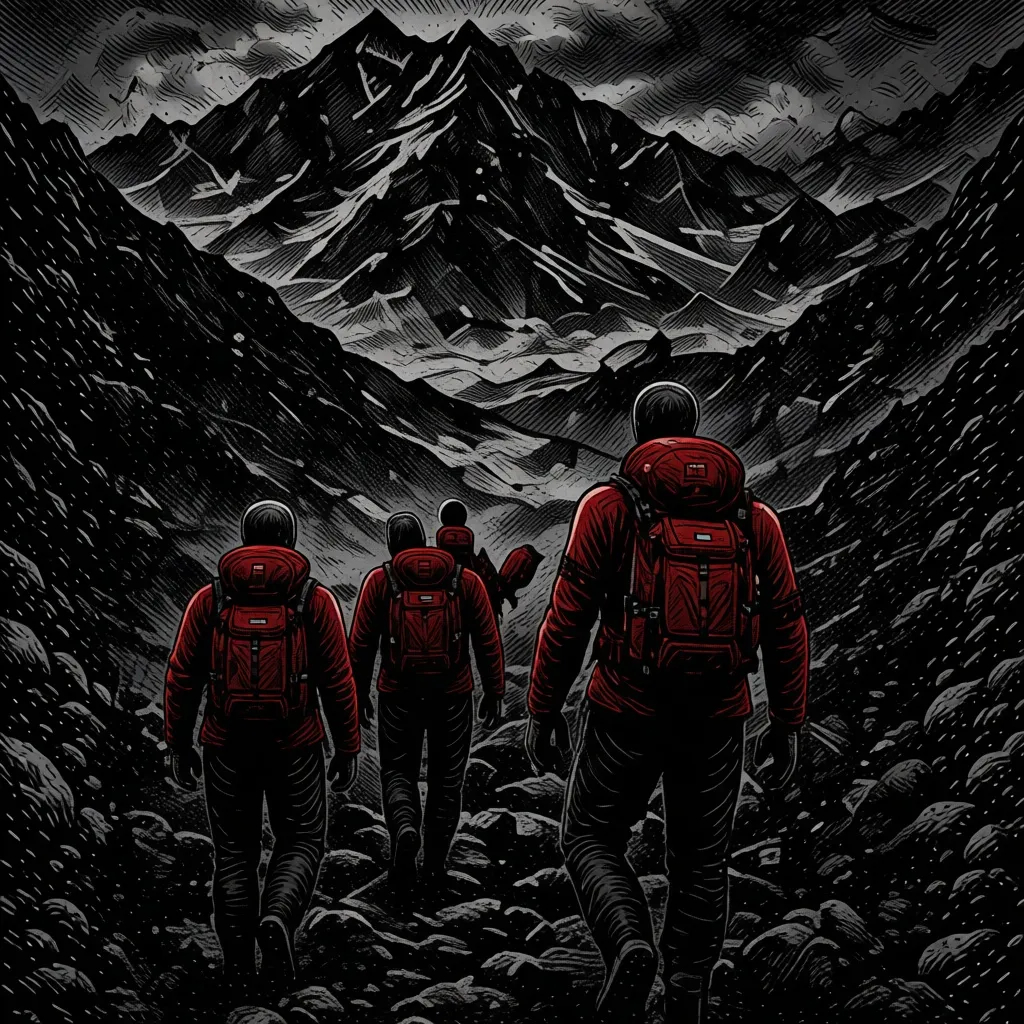
Why Nick is doing it
For The People Who Turn Out
Every year, Mountain Rescue volunteers leave their families, their jobs and their beds to help strangers in danger, in the worst conditions the hills can produce.
Nick is one of them. He knows what the pager does to an evening. He knows what the back end of a stretcher feels like at four in the morning with another mile of wet ground to go.
214 Wainwrights in 10 days is a tribute to that. It is also a way to pay for it.
Because in the end you won't remember the time spent working in the office or mowing your lawn so go and climb that mountain.
Nick Samworth, Mountain Rescue volunteer, Rossendale and Pendle
The callout that never happens
Before You Go Out
The cheapest rescue is the one nobody has to do. None of this is complicated and all of it works.
Check a mountain forecast
Carry a map and compass
Tell someone your plan
Torch and spare layers
Be willing to turn round
Know what you are walking into
If it goes wrong
In an emergency in the UK hills, call 999, ask for police, then ask for mountain rescue. Police coordinate mountain rescue, so that is the order that gets a team moving.
Give your location as accurately as you can, how many people are with you, what has happened and what injuries there are. Then stay where you are if it is safe to do so, get warm layers on and keep the phone battery for the callback.
If you cannot get a voice signal, you can contact 999 by text, but only if you have registered your phone with the emergency SMS service beforehand. Register it now, at home, while you are thinking about it.
If your wallet is empty this month
Other Ways To Help
Share it
Send fellhell.co.uk to one person who walks, runs or climbs. A link passed on by somebody you trust raises more than any advert this campaign could afford.
Follow the journey
Watch it fall apart and get put back together in real time. The route, the day stages and what ten days does to a body are all on this site.
Put your business behind it
Kit, food, fuel, vehicles, printing or straight cash. If your company wants to back the round, the team wants to hear from you.
One more, and it is free. Learn to navigate properly and carry the right kit. Every walk that ends at the car park instead of on a stretcher is a night the team gets to spend at home.
Get in touchEvery pound goes to the team
They turn out for strangers. Turn out for them.
Rossendale and Pendle Mountain Rescue Team is run entirely by unpaid volunteers and funded almost entirely by donations. Sponsoring Nick puts money straight into kit, training and callouts.